
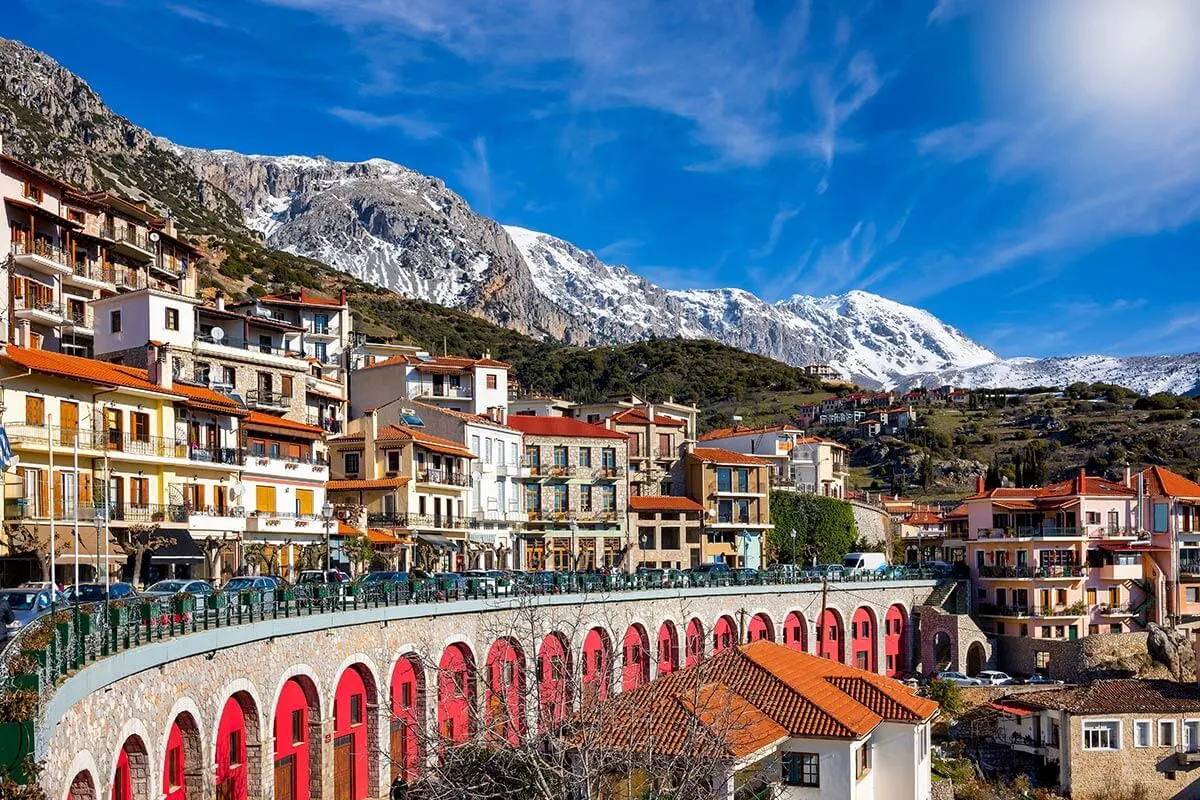
From Delphi and the Oracle to the Monastery of Hosios Loukas — Arachova sits at the heart of some of Greece's most important landmarks.
The Arachova area combines Byzantine heritage, ancient sanctuaries, and extraordinary natural landscapes — all within a few kilometres of the guesthouse.
Discover the authentic side of the area.
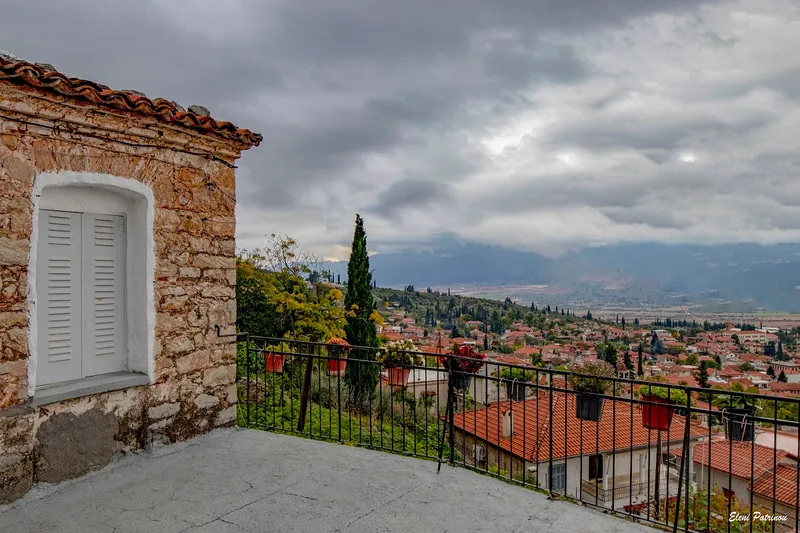
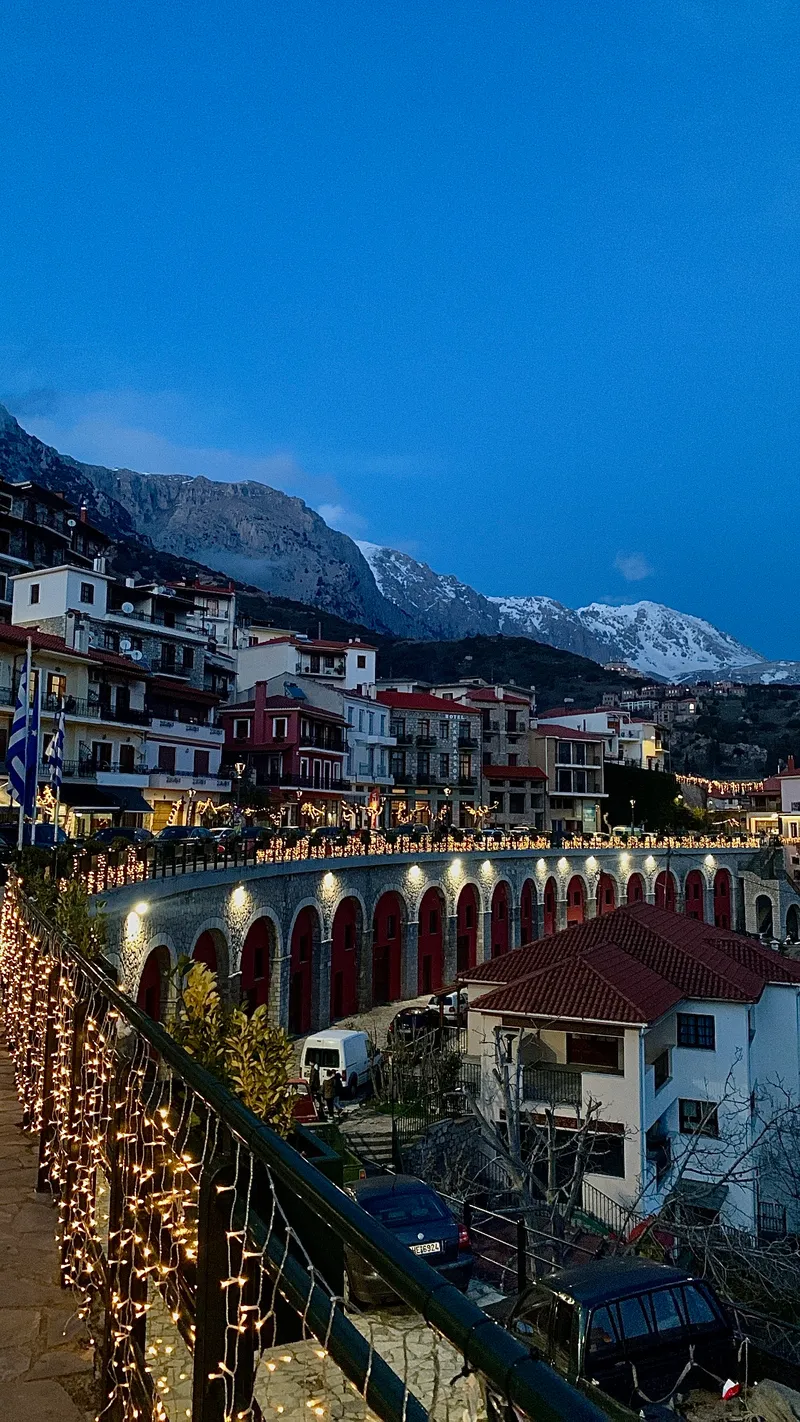
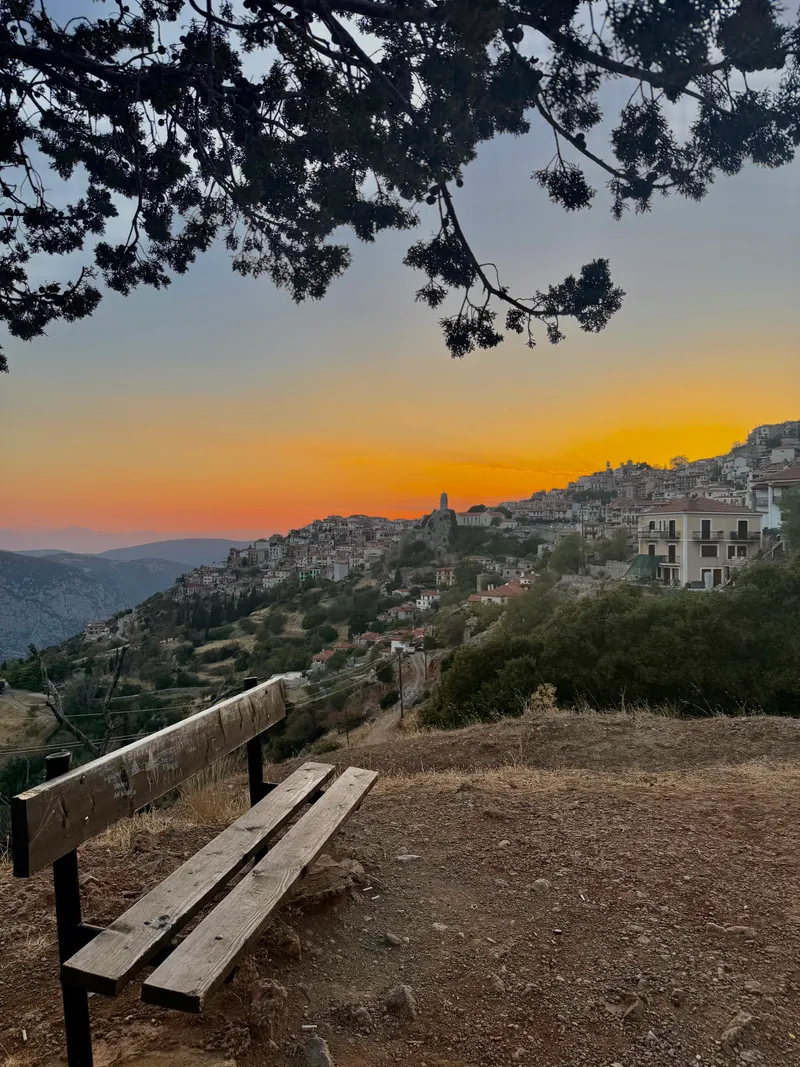
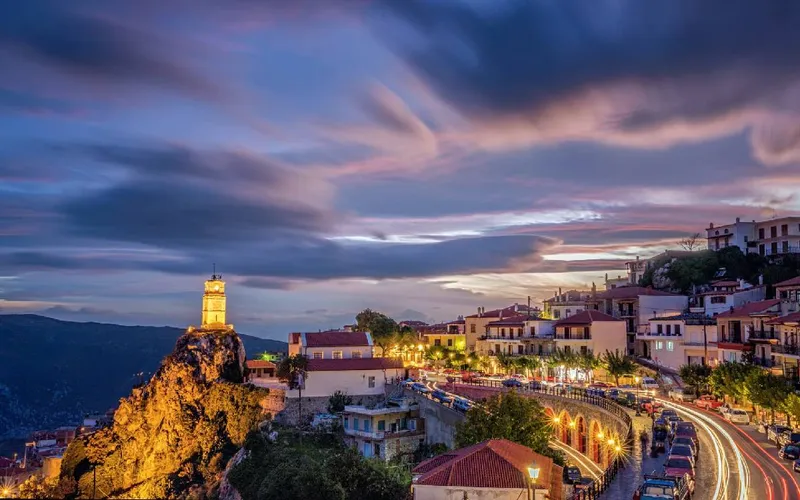
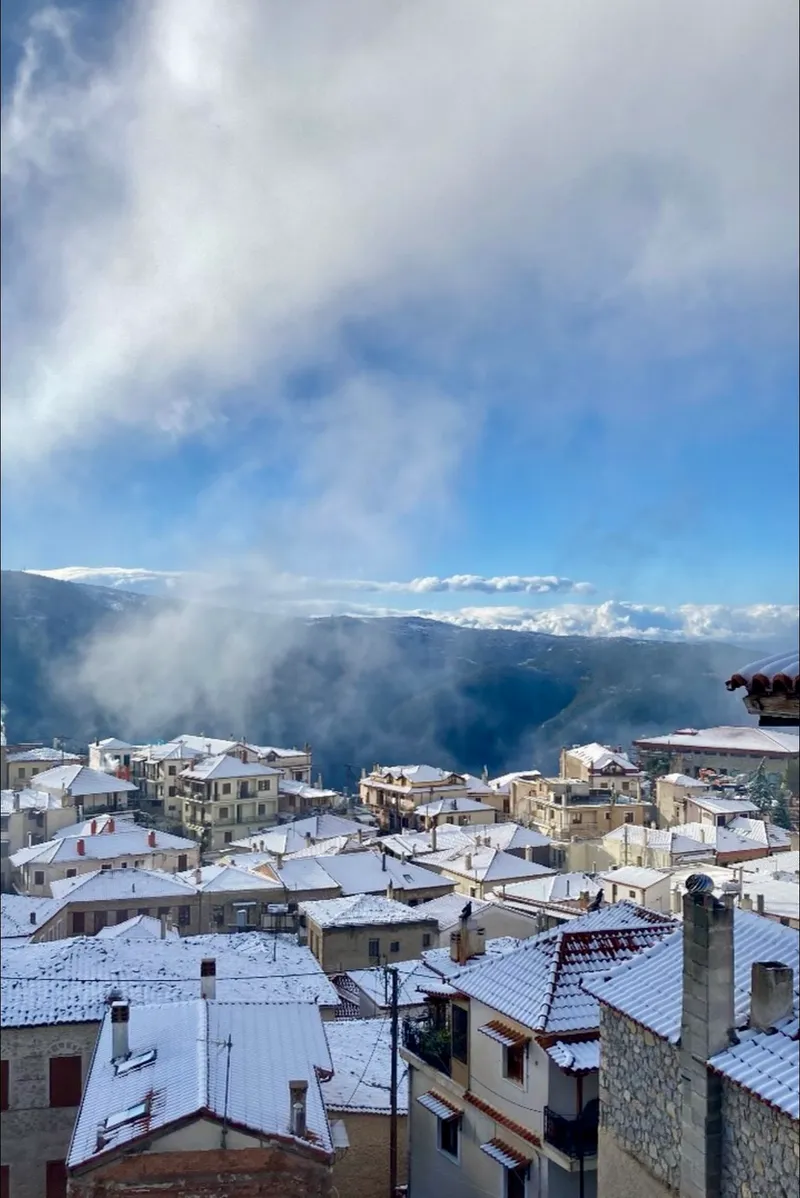
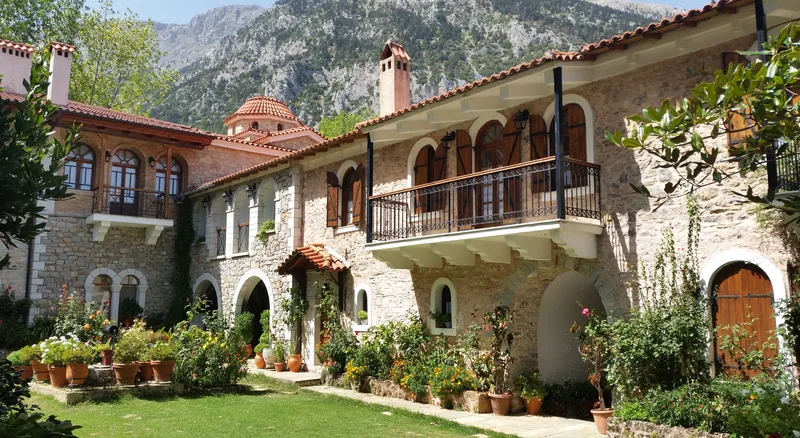
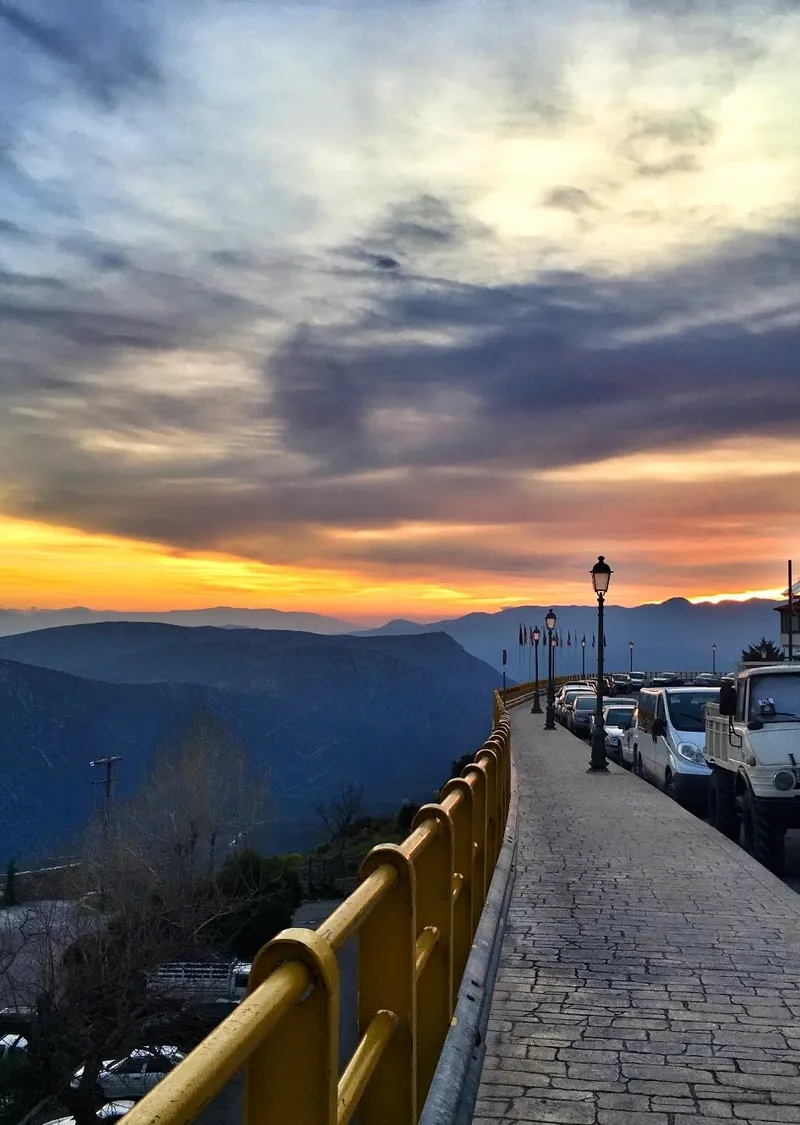
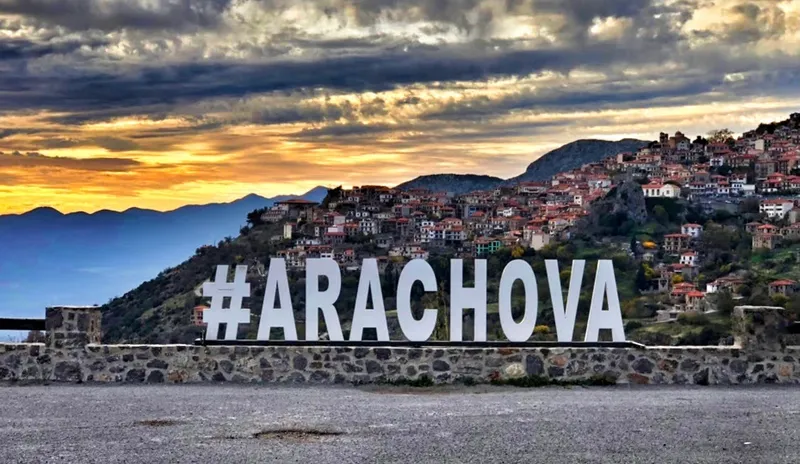
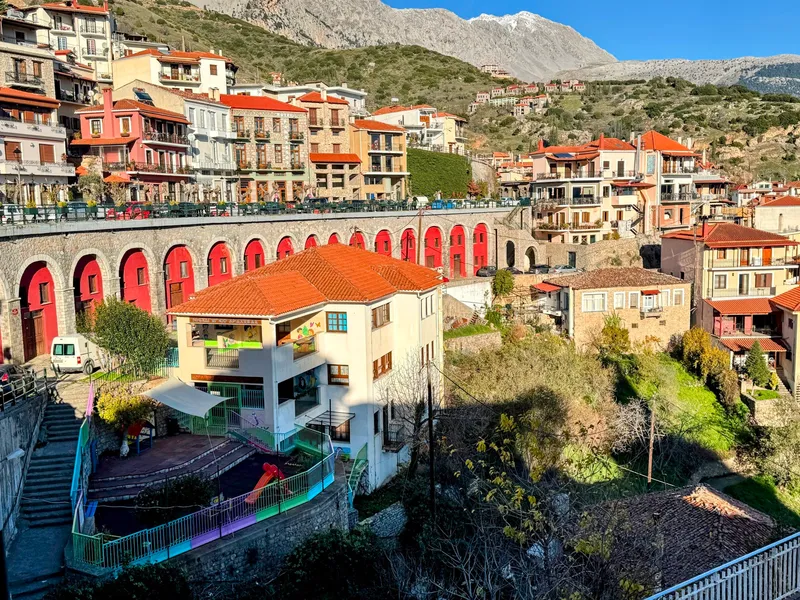
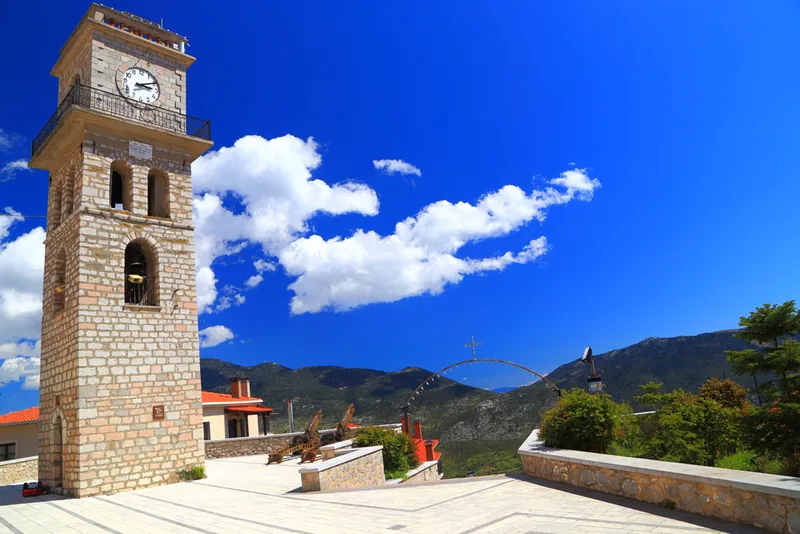
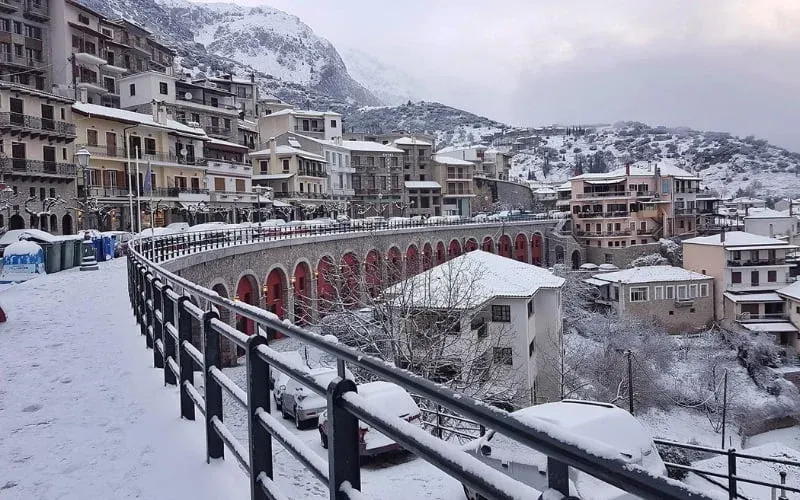
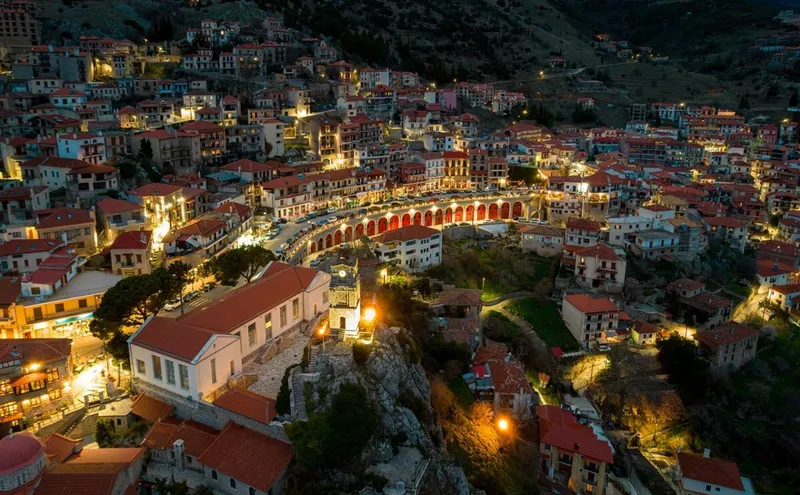
Arachova is built on the southern slopes of Parnassos, at an altitude of approximately 980 metres, just 160 kilometres from Athens. A traditional settlement of beautiful stone houses, narrow lanes, springs and crisp mountain air — these are the first impressions that greet every visitor. Walk through the town and admire the architecture of the old houses with their stone walls and traditional clay-tiled roofs.
This is a cosmopolitan destination, renowned for its vibrant nightlife, exceptional gastronomy and quality accommodation — a place worth visiting at least once in a lifetime. Nearby lies the Parnassos Ski Centre, the largest and most modern in the country, making the area ideal for winter escapes. At the same time, Arachova is surrounded by impressive natural landscapes, rich cultural heritage and significant historical references, making it a beloved destination all year round.
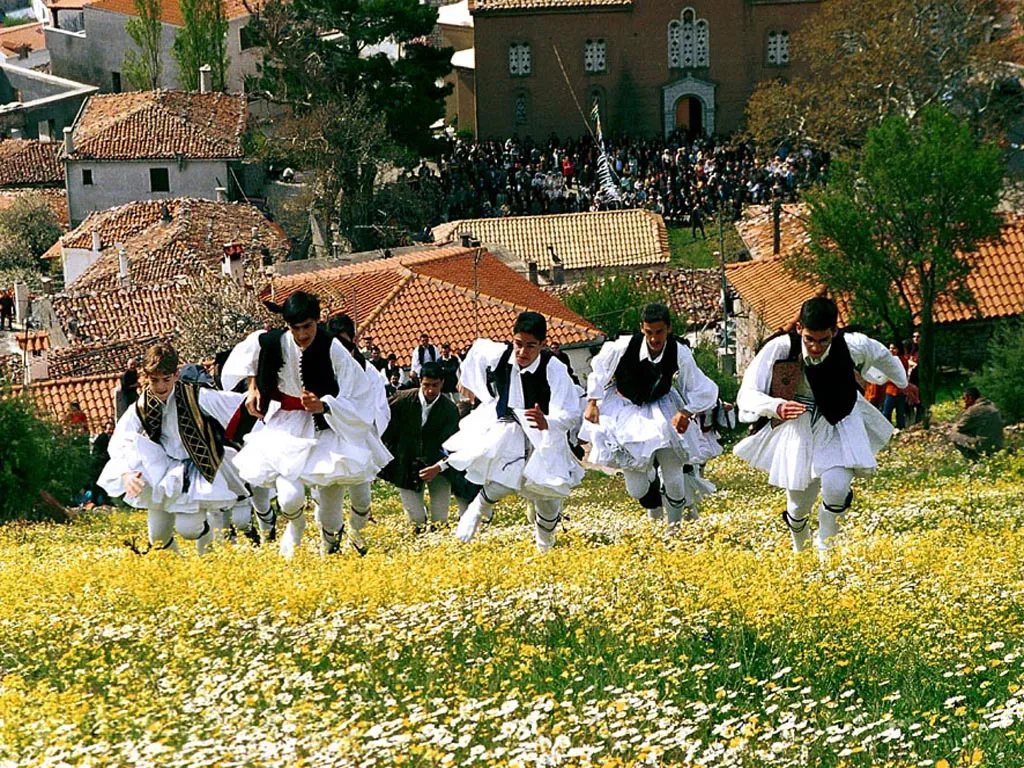
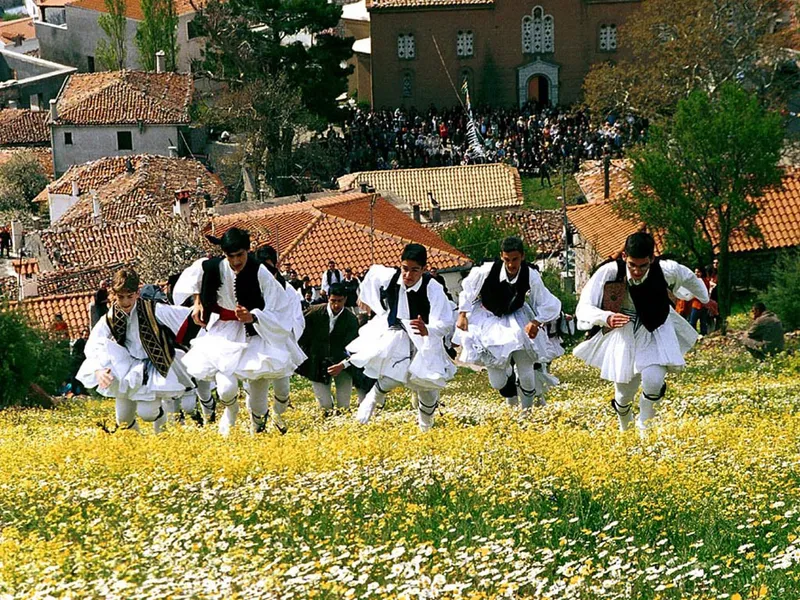
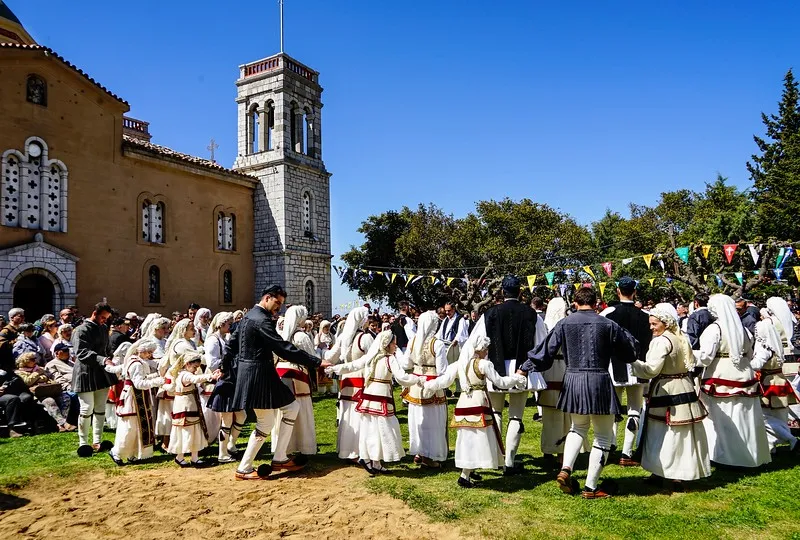
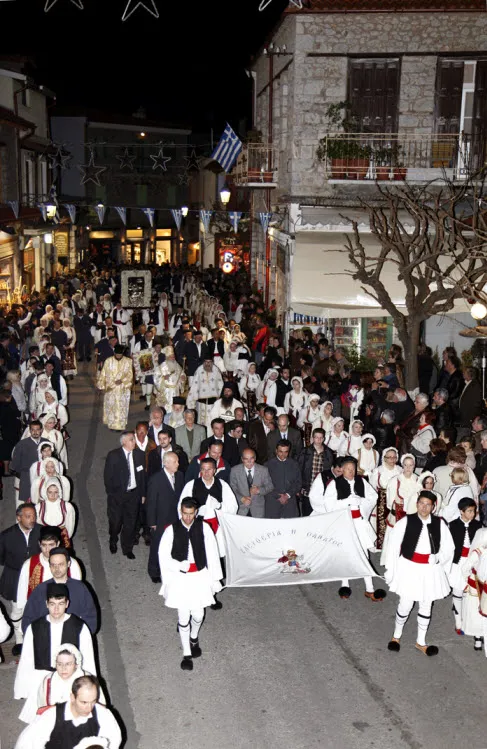
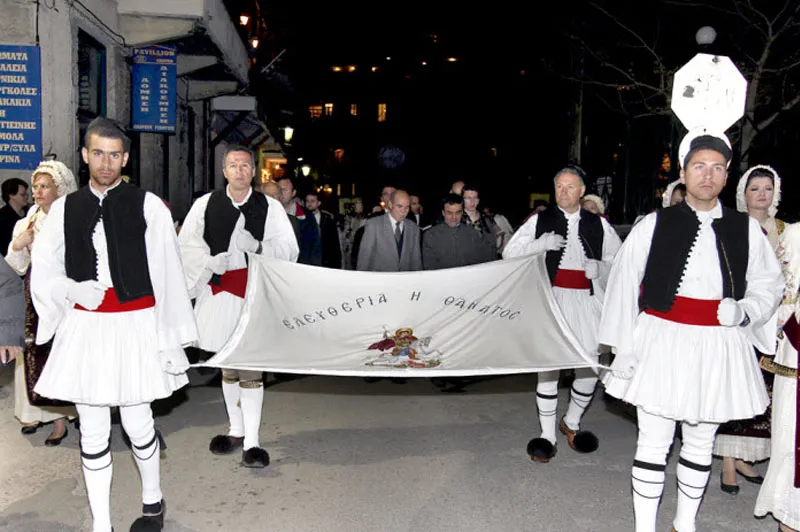
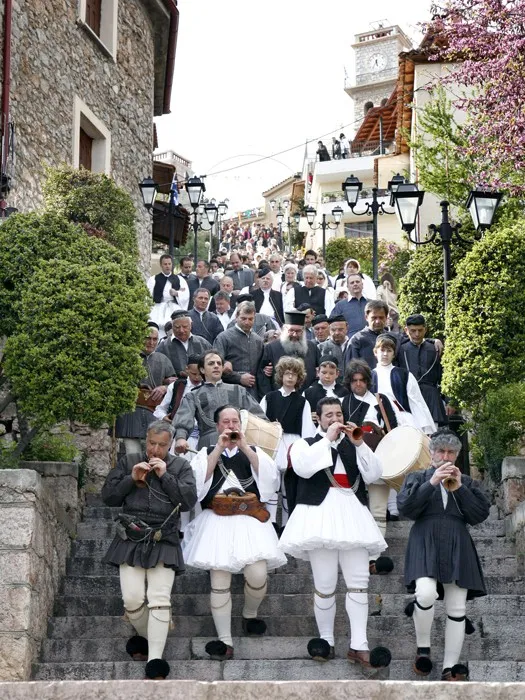
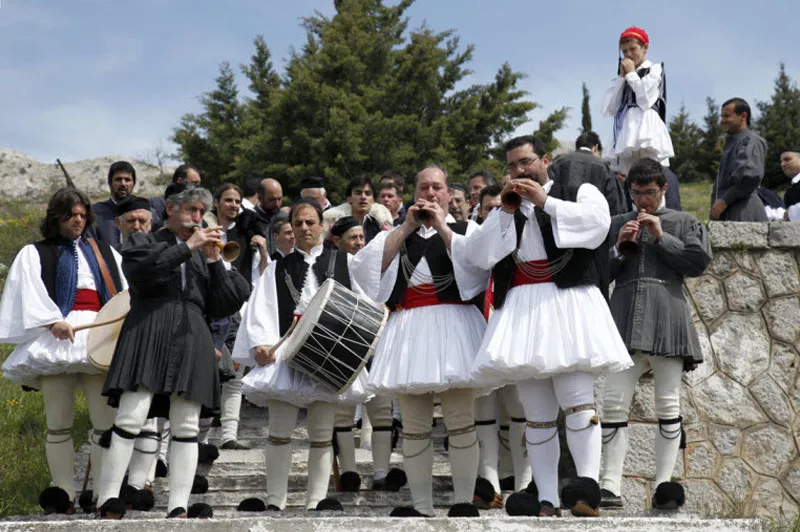
One of the most authentic village celebrations you should witness at least once is the "Panegyráki" — a traditional religious festival in honour of the patron saint George, also linked to the victorious Battle of Arachova against the Turks on 24 November 1826. It is a festive three-day event held in Arachova every year in spring.
A series of events organised by local authorities transform Arachova into the ultimate destination even after the snow has melted. Locals and visitors alike take part and experience age-old customs: the procession of the icon of Saint George with two thousand people in traditional Arachovan dress, the uphill race on the battlefield of Karaiskakis, the well-side performance with young women singing the traditional "Panegyráki" song, the elders' dance, stone lifting, throwing and wrestling, and the "Breaking of the Festival" — an authentic feast in the courtyard of the church of Saint George, with food, drink and traditional music.
If you find yourself in Arachova at Easter, do not miss the three-day celebration.
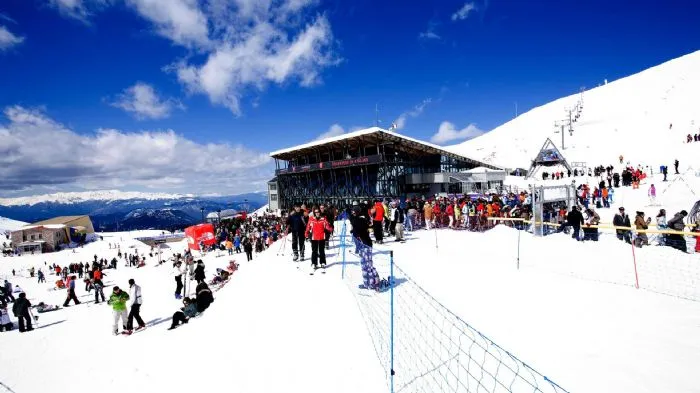
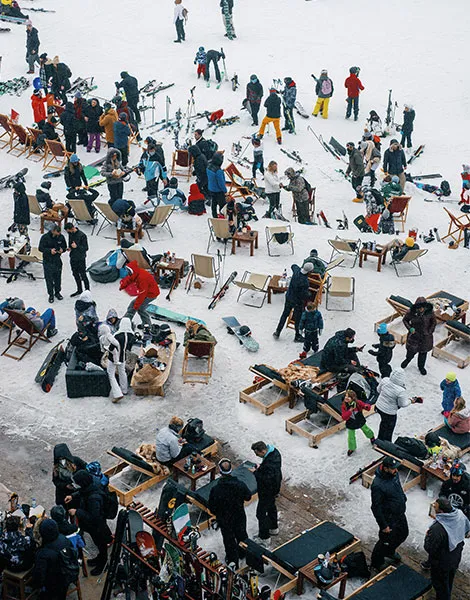
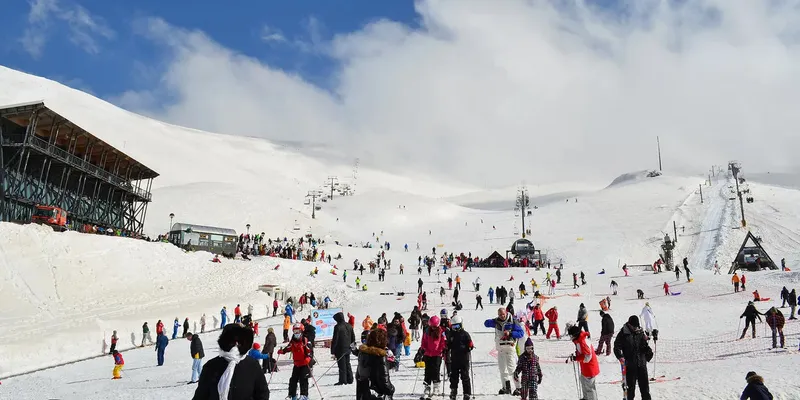
The Parnassos Ski Centre is the largest and most modern ski resort in Greece, spread between the two highest peaks of Parnassos — the Fterolakka and Kelaria areas — at altitudes ranging from 1,600 to 2,250 metres. It attracts thousands of visitors and winter sports enthusiasts each year, and its central location makes it easily accessible from Athens and other major cities.
The centre has 19 runs, 7 ski routes, 10 trails and three beginner mini-slopes, totalling approximately 36 kilometres. Runs range from 50 m to 4 km and cater for beginners through to advanced skiers. For the more adventurous, 12 off-piste black routes offer deep powder snow and plenty of adrenaline. Chalets, a restaurant, ski and snowboard schools, and equipment rental are all on site.
The resort lies within the Parnassos National Park, a landscape of exceptional natural beauty with geological formations, waterfalls, springs, gorges and rare flora and fauna. Beyond the ski season the area is an ideal destination for hiking, mountaineering and mountain biking throughout the year.
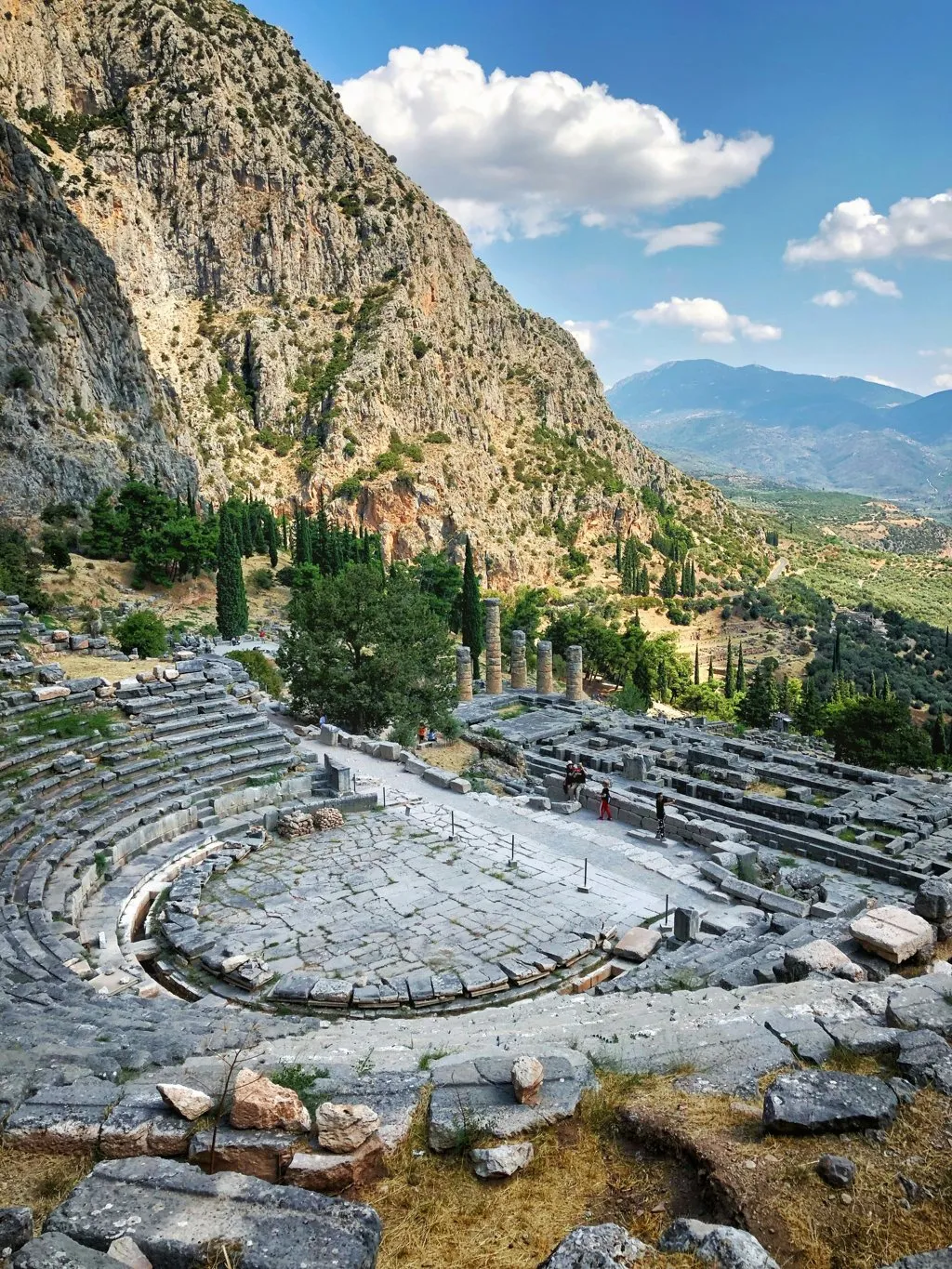
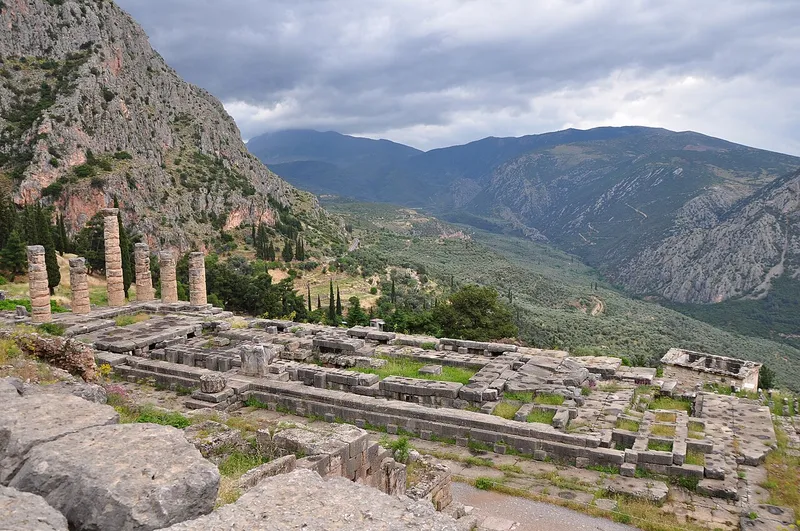
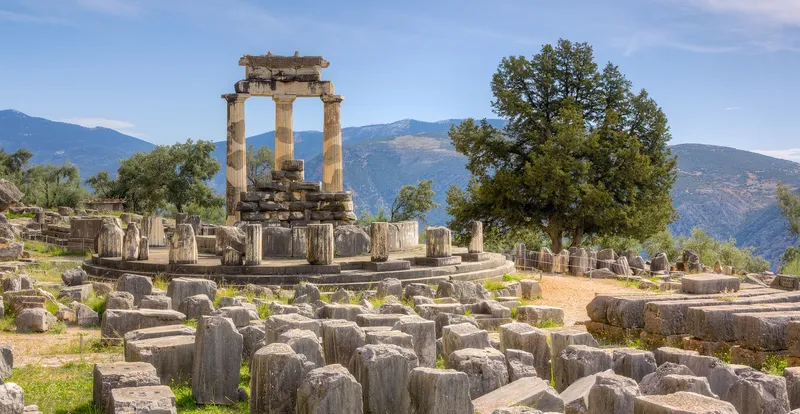
At the foot of Parnassos, in the dramatic landscape formed between two rocks — the Phaedriades — lies the pan-Hellenic sanctuary of Delphi, the most famous oracle of ancient Greece. According to myth, two eagles sent by Zeus from the ends of the universe met at Delphi, marking it as the navel of the world. For many centuries it was the foremost spiritual and religious centre, and a symbol of the unity of the ancient Greeks.
The oldest finds at Delphi date to the Neolithic period (4000 BC) and were discovered in the Korykeon Cave on Parnassos, where early worship took place. The oracle's golden age fell between the 6th and 4th centuries BC. The pronouncements, delivered by the Pythia and interpreted by the priests of Apollo in verse, drew cities, rulers and ordinary people alike.
The oracle's operation reaches back to the earliest times, and its fame spread to the ends of the known world. It is believed that Delphi gave counsel on the flood of Deucalion, the Argonautic expedition and the Trojan War.
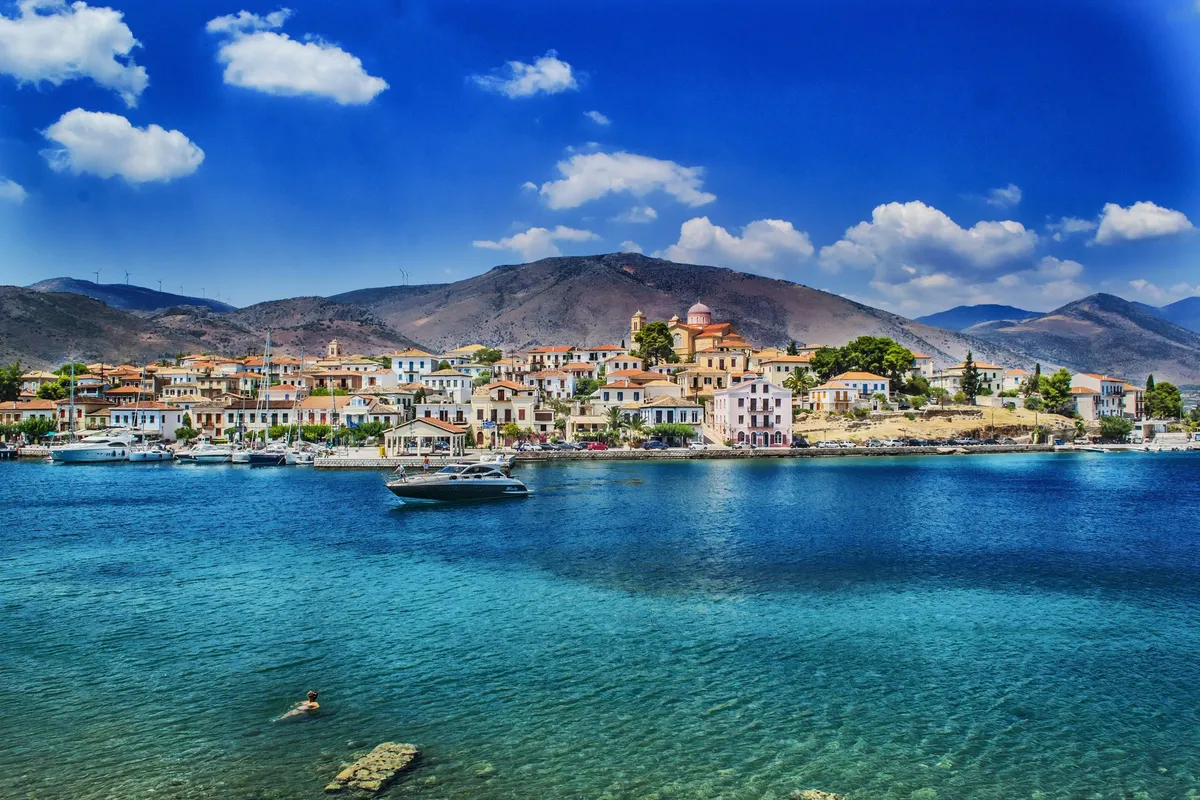
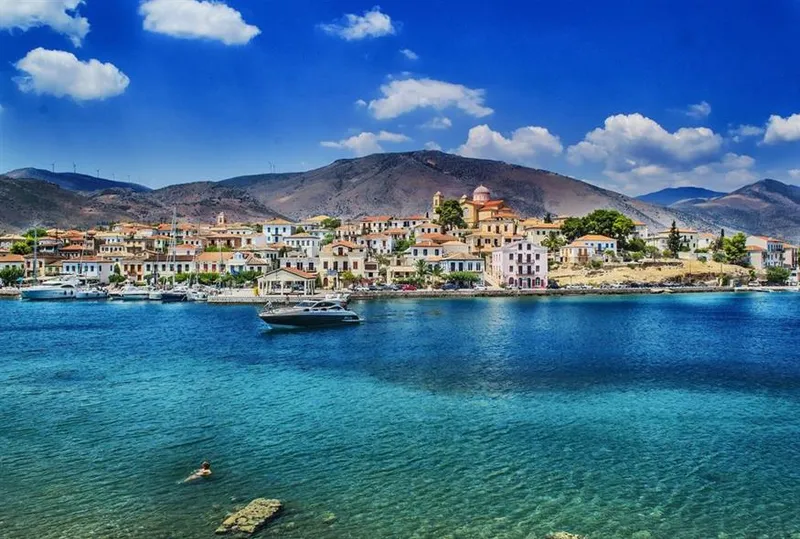
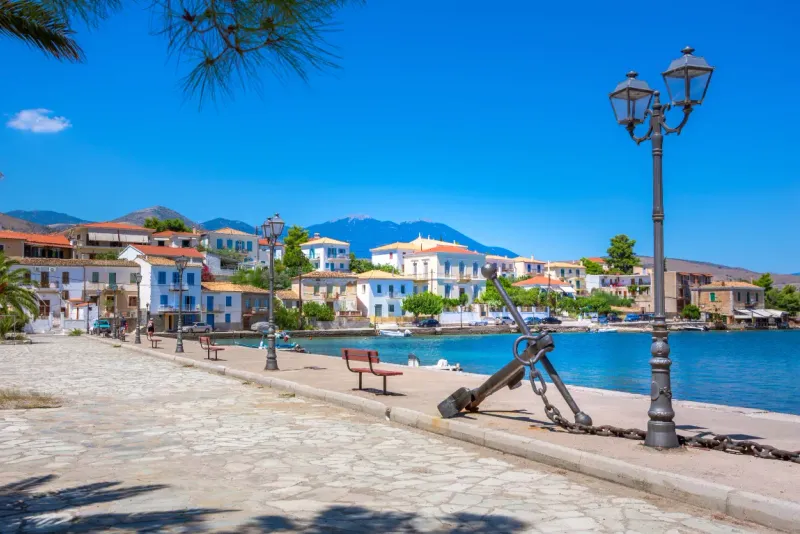
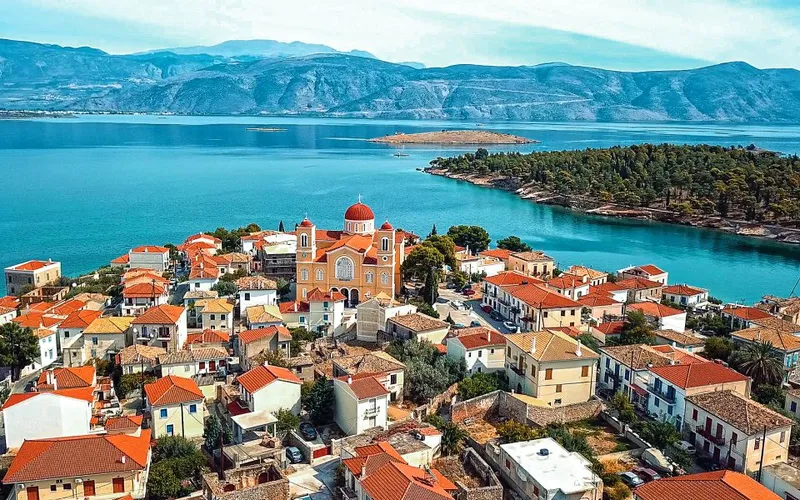
Galaxidi, described as "beautifully castle-ringed" in its 1703 Chronicle, is a historic seaside town in the regional unit of Phocis. Located on the northern shore of the Gulf of Corinth on the western side of the Itea bay, it has been listed as a traditional settlement since 1978 — one of the few Greek towns that has preserved its traditional character intact.
The mansions, the carved iconostasis of the metropolitan church and the maritime museum all bear witness to the town's former glory, spanning more than two centuries of brilliant commercial activity. During the age of sail it was renowned for its great fleet, its wealth and the seafaring skill of its inhabitants.
The famous Galaxidi sailing vessels carried trade to every Mediterranean port. Galaxidi ship-owners ran sophisticated maritime enterprises, including a mutual maritime insurance system and their own shipyards.
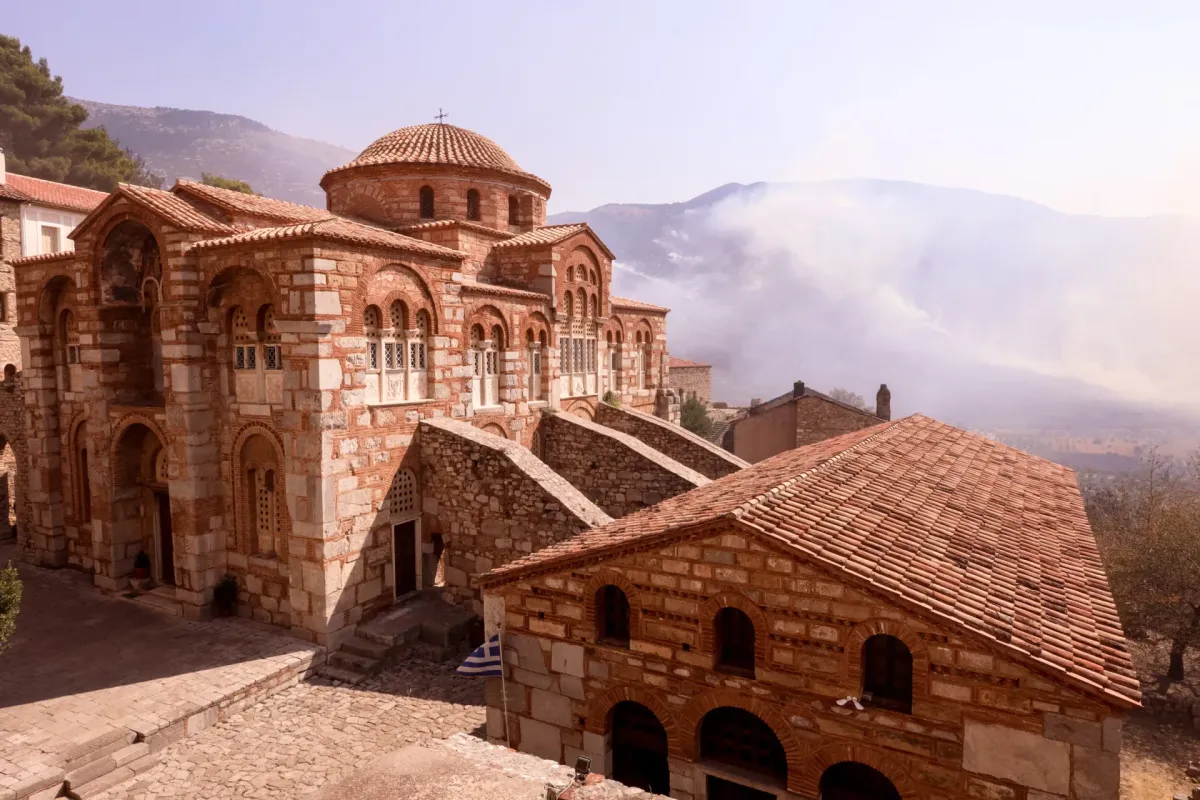
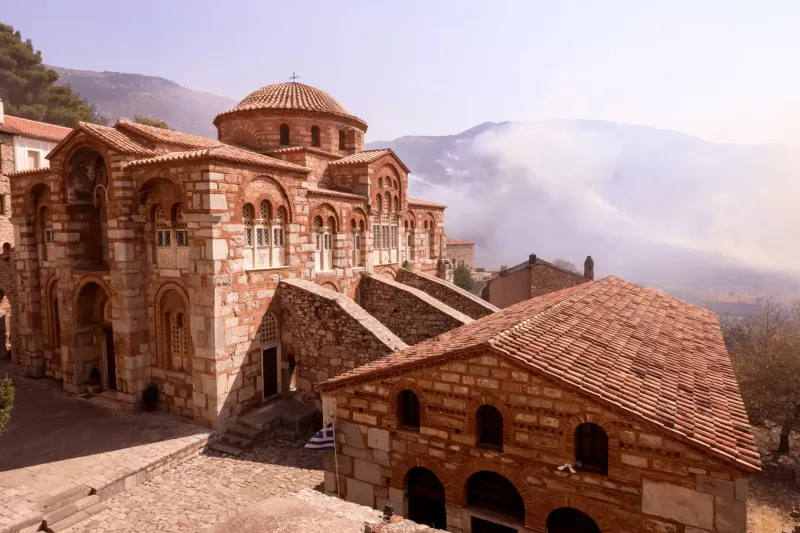
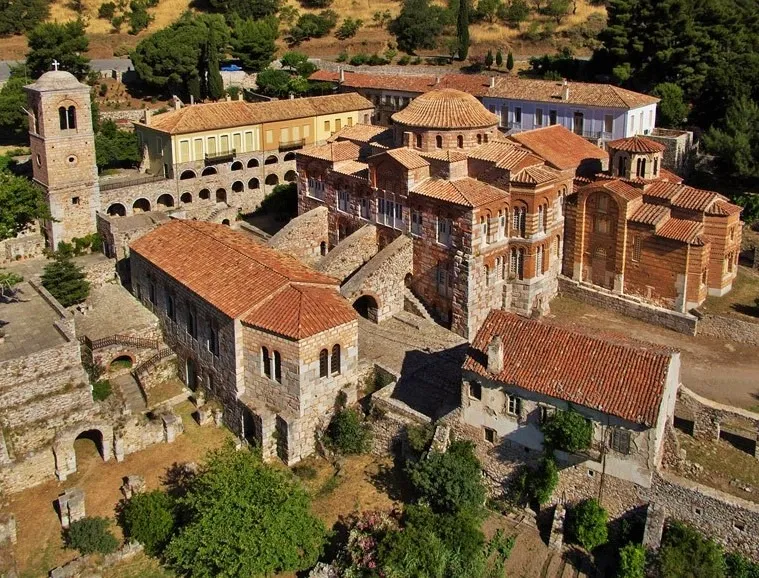
The Hosios Loukas Monastery stands on the western slope of Mount Helicon. It takes its name from the monk and founder Luke of Steiris. It is one of the finest examples of Byzantine art and architecture in Greece, with mosaics and frescoes dating from the 10th century and icons painted by Michael Damaskinos. The main church is an octagonal domed structure housing the relics of Hosios Loukas. On its northern side stands a smaller church dedicated to the Dormition of the Theotokos.
During the Frankish occupation, Boniface of Montferrat drove the Orthodox Greeks out and installed Latins who plundered the monastery. Prince Geoffrey II of Villehardouin later looted the remaining treasures and sent them to Rome. Under Ottoman rule, which began in 1460, the monastery fought repeatedly for survival. From 1938 the Greek Archaeological Service undertook extensive restoration work, rebuilding the refectory and other structures and cleaning the mosaics and frescoes.
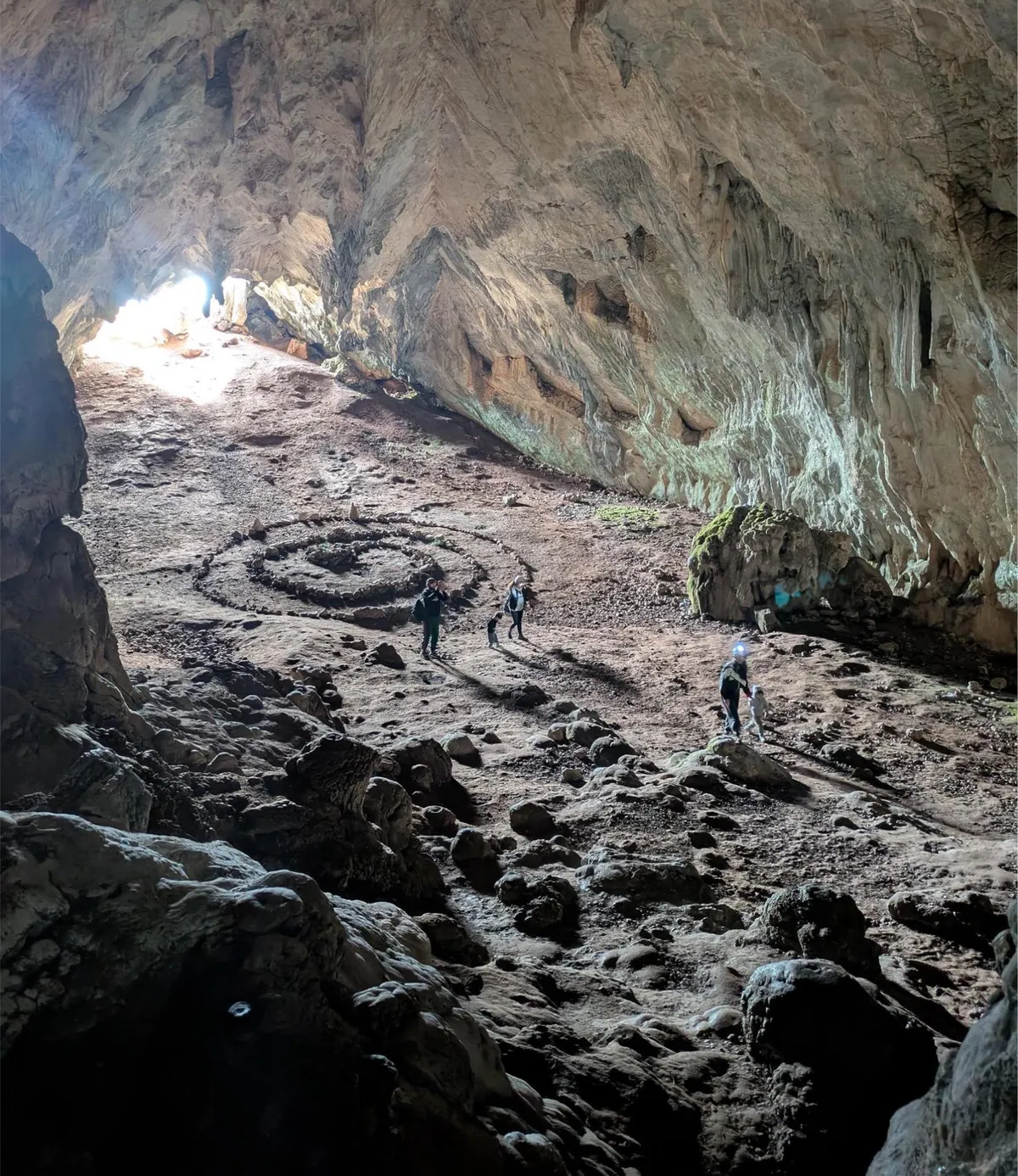
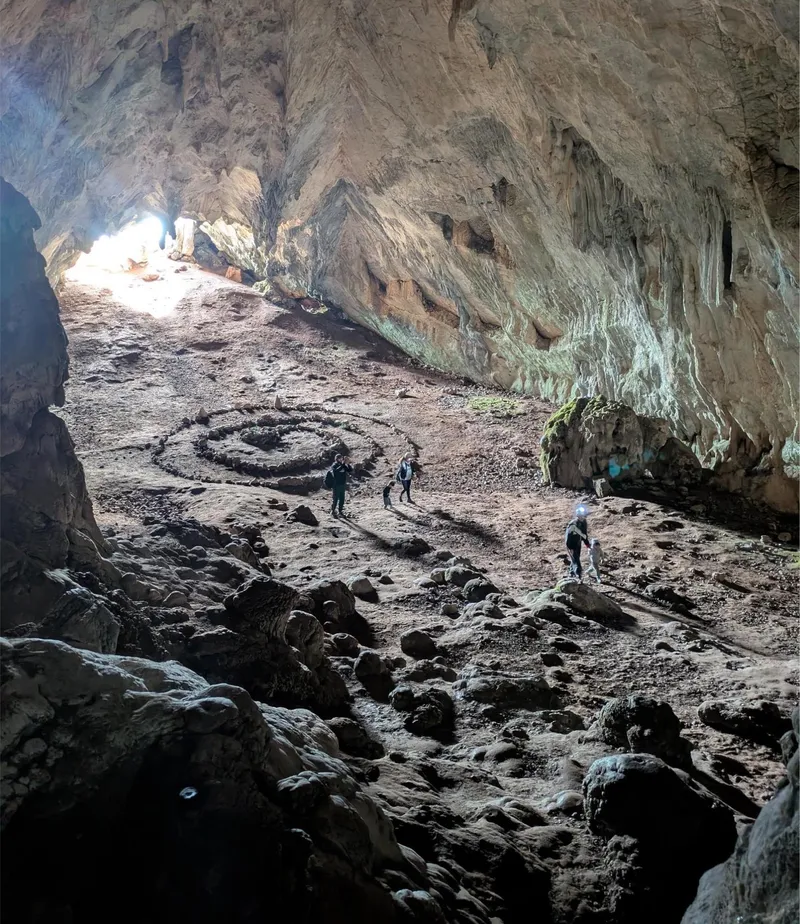
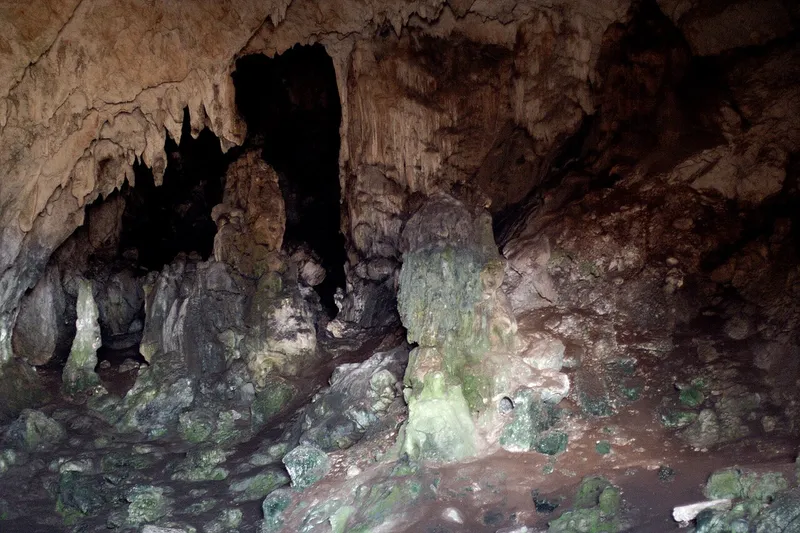
The Korykeon Cave is one of the most impressive and historically significant caves in Greece, hidden on the slopes of Parnassos at approximately 1,360 metres altitude. Its position offers a breathtaking view over the valley and a sense of remoteness that makes it all the more mysterious.
In antiquity the cave was sacred to the god Pan and the Nymphs. It served as a place of worship and ritual, and archaeological finds confirm its use from the Neolithic period. The interior, with its striking stalactites and stalagmites, deepens the mystical atmosphere.
Access is on foot, most commonly via the trail starting from the Livadi plateau above Arachova. The route is easy to moderate in difficulty and passes through beautiful landscapes of fir forest and wild nature. Spring and autumn are the ideal seasons. If you are planning a visit, bring sturdy footwear and a torch as the interior is not lit.
For questions about activities or to arrange something before you arrive, please contact us.
Contact us